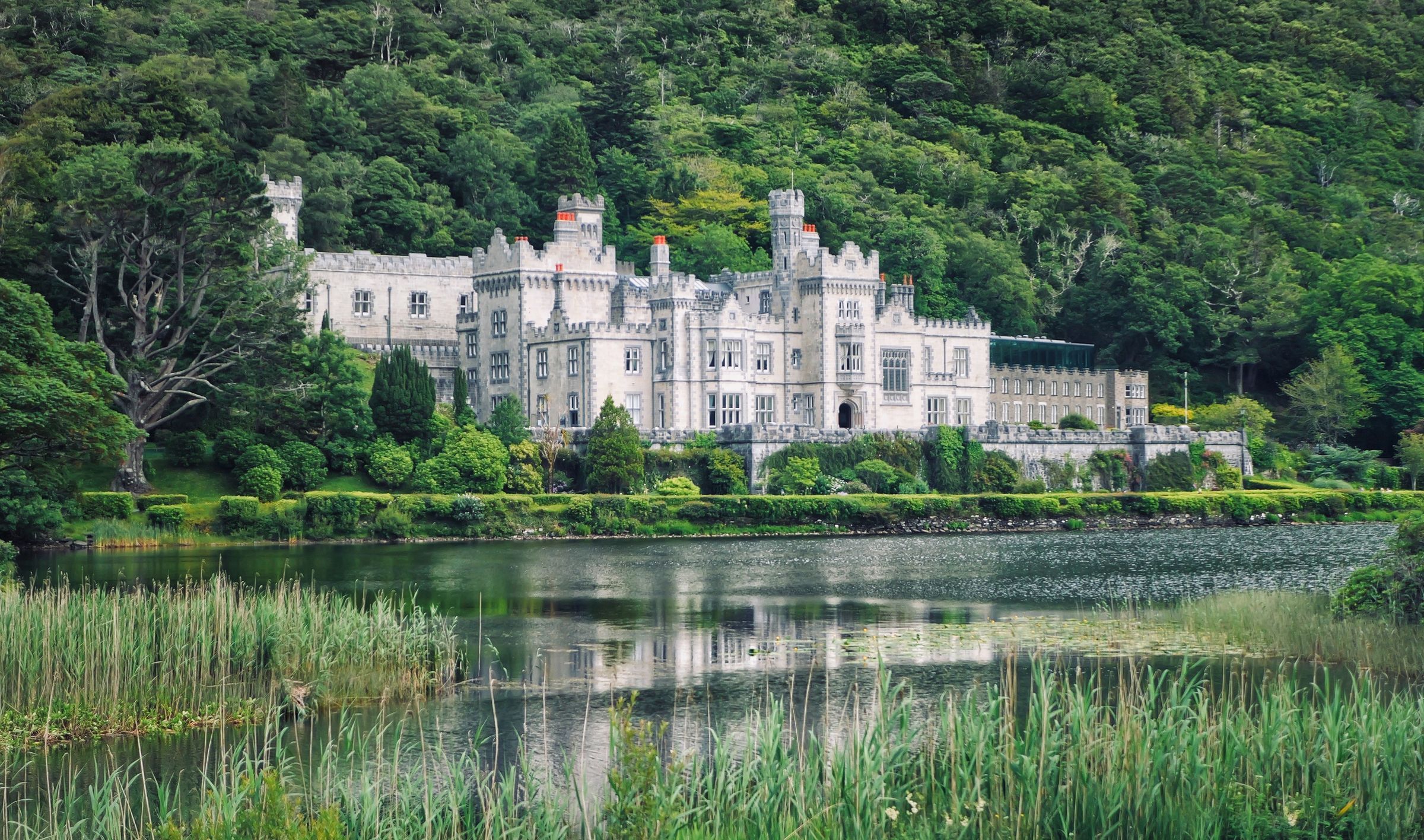
Start in Antrim and end in Donegal, with castles to sleep in and castles to explore along the way. The route crosses the border without fuss and keeps history close at hand.
This guide covers five castle hotels and three castles to visit across Ulster. Some are fortified tower houses, some are Gothic Revival mansions, and one is a clifftop ruin. Each has its own story, whether you want a staffed castle for a group or a self-catering apartment in an old estate.
Antrim coast tower houseBallygally Castle
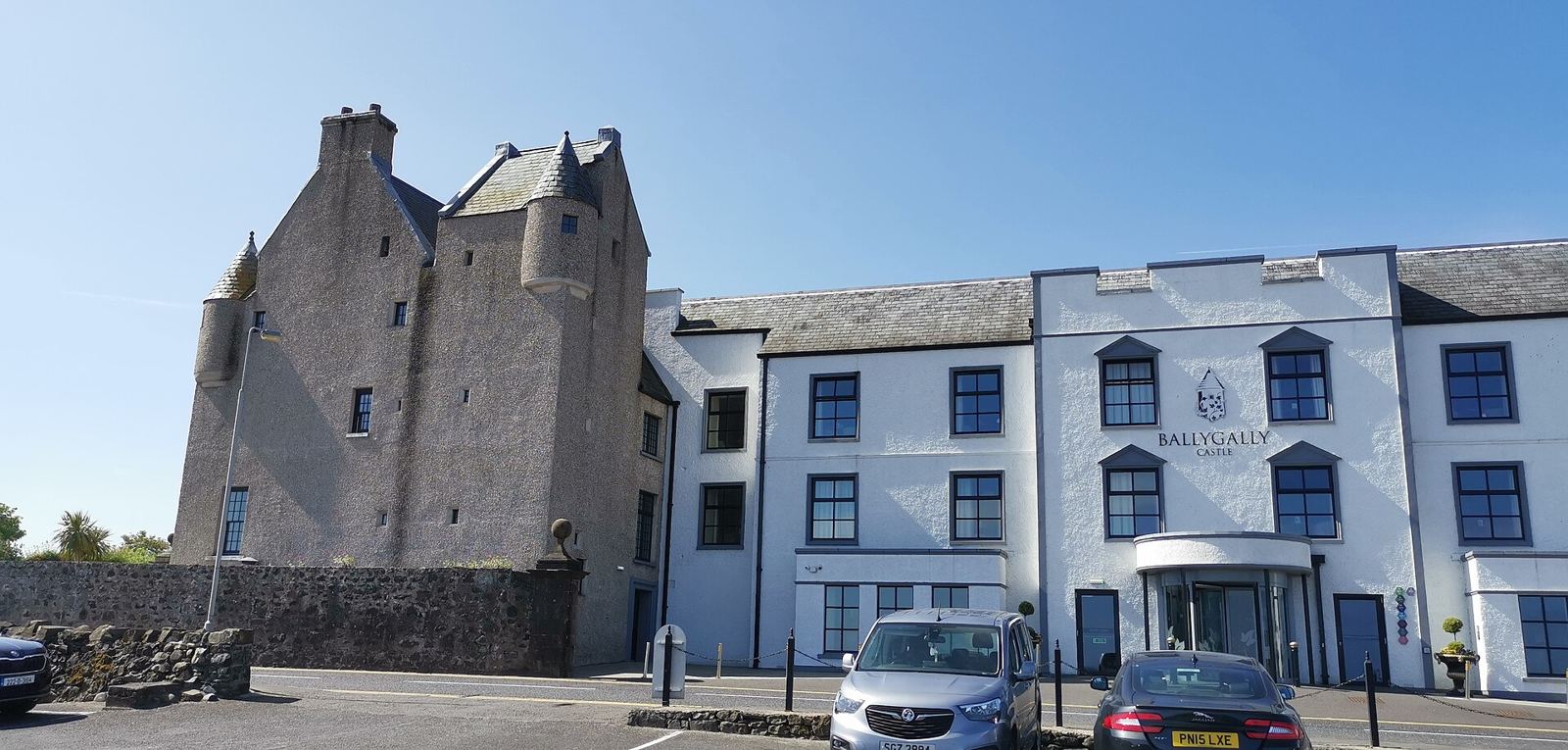
James Shaw, a Scottish settler, built this fortified tower house in 1625 on land rented from the Earl of Antrim. It saw action during the 1641 rebellion and the Irish Civil Wars, and no other 17th-century building in Northern Ireland has stayed in residential use without a break. The walls are nearly five feet thick, and the corner turrets once guarded an estate bawn.
The castle became a hotel from the 1950s, and its Tower Rooms are the oldest hotel bedrooms in Northern Ireland. There are 54 bedrooms in all, including Coastal Deluxe Rooms with sea views. The Garden Restaurant serves evening meals, and afternoon tea and Sunday lunch are available. On the Causeway Coastal Route, you can reach Giant's Causeway, Carrick-a-Rede Rope Bridge, the Gobbins Cliff Path and Bushmills Distillery.
Ballygally, Co. Antrim · 4-star
Down lough-side self-cateringNarrow Water Castle

The Narrow Water Castle estate holds two distinct buildings. A medieval Norman tower castle stands as a ruin by Carlingford Lough, with no guest accommodation. Separately, an 1830s castellated family mansion on the same estate lets self-catering apartments, one of them within the original 1680s Mount Hall core. The mansion was designed by Thomas Duff and built between 1816 and 1836.
The apartment sleeps four across two bedrooms and has a modern kitchen, an open-plan living and dining area with a fireplace, and a bathroom with a Moroccan-tiled double slipper bath. Outside, an outdoor dining area looks over Carlingford Lough and the Cooley Mountains. Walking trails lead through estate woodlands to the medieval ruin, and an equestrian centre offers horse riding on the estate.
Warrenpoint, Co. Down · self-catering, 5-star NI tourist board grading
Fermanagh exclusive-use estateCrom Castle
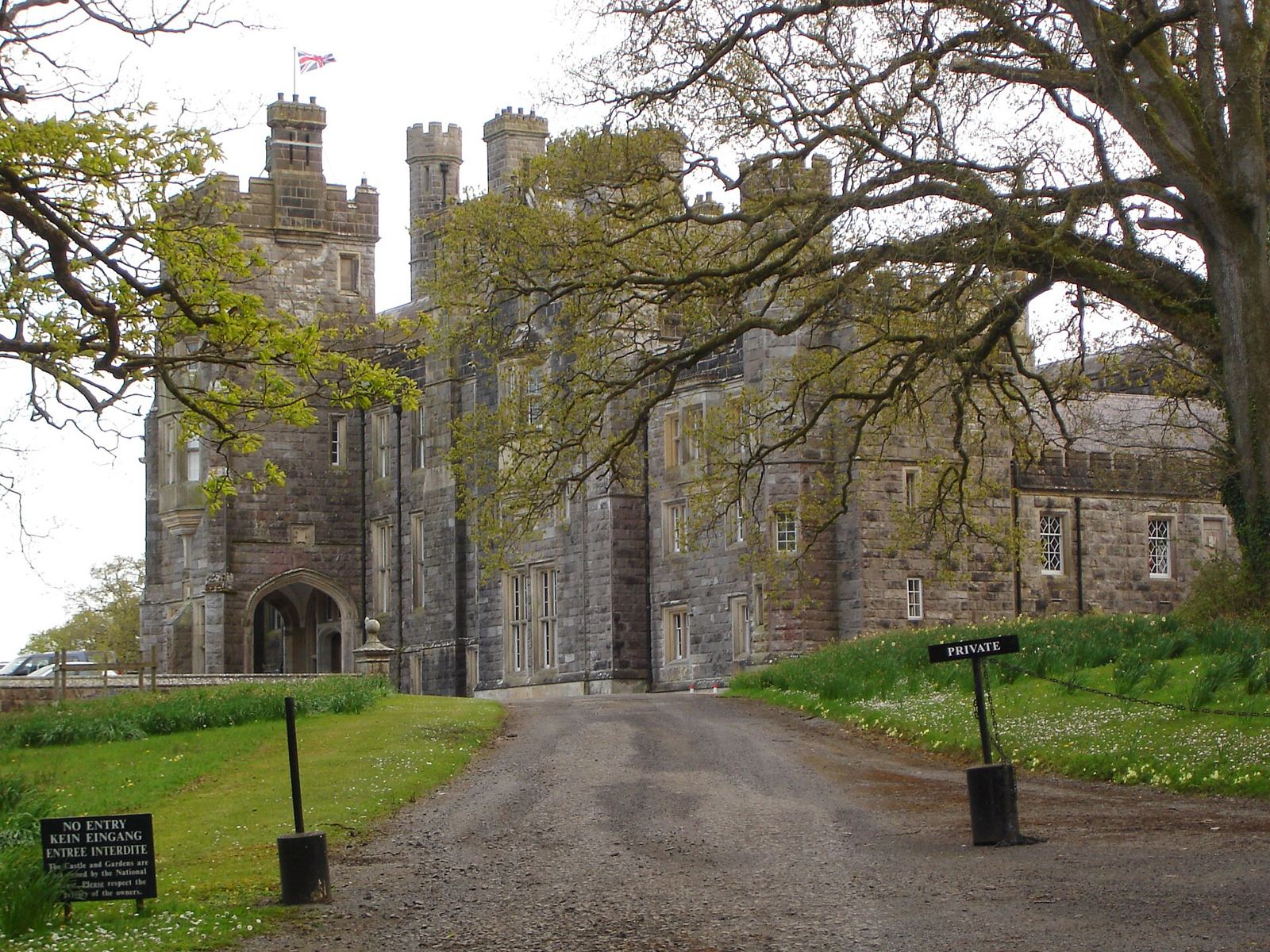
Crom Castle is a 19th-century Gothic Revival castle on Upper Lough Erne, built around 1840. The Earls of Erne have lived here for over 350 years, and the castle sits within a National Trust estate of nearly 2,000 acres. The first fortress on the site was established in 1611 by Scottish planter Michael Balfour, and its ruins, known as Old Crom Castle, still stand with views over the lough.
The castle is available for fully staffed exclusive-use stays, either the whole castle or the West Wing. There are 12 bedrooms and 12 bathrooms, and all meals are included, prepared by the castle team. Guests have use of a drawing room, a dining room in the former billiard room, a conservatory with a domed roof, a terrace with lough views, and a bar. Boat hire, canoe hire, cycling trails, coarse fishing and bird watching from a hide are among the activities.
Newtownbutler, Co. Fermanagh · luxury exclusive-use
Monaghan family estateCastle Leslie Estate

Sir Thomas Ridgeway raised an earlier castle here in 1608, and Bishop Leslie bought it in 1665. Sir John Leslie rebuilt the present castle in 1870 and 1871, and the family still lives on the 1,000-acre estate. It is one of the last great Irish castle estates in the hands of its founding family, and in 2002 it was the venue for Paul McCartney and Heather Mills' wedding.
The estate has three lakes, including Dream Lake with its crannóg, and 1,000 acres of parkland and woodland. Snaffles Restaurant serves fine dining, Conor's Bar & Lounge is open for drinks, and afternoon tea is available. The Victorian Treatment Rooms spa has seven treatment rooms, two outdoor hot tubs and a sauna. An equestrian centre, falconry, clay target shooting, archery, horse-drawn carriage rides and rowboats on the lake are all on offer.
Glaslough, Co. Monaghan · 4-star
Donegal five-star lakesideLough Eske Castle
The castle site has its origins in 1474 and is long associated with the O'Donnell clan. The building you see today went up in 1861, replacing earlier structures that had been destroyed. Fire gutted it in 1939, and a full restoration followed before it reopened as a hotel in 2007. It is the only Irish hotel to have won a World Luxury Hotel Award.
Lough Eske Castle is a five-star property on the shores of Lough Eske near Donegal Town. The restoration preserved the stone walls and period spatial relationships of the 1861 structure, so the building retains its castle character. Spa and wellness facilities are available for guests. The lakeside setting places you in the landscape of Donegal's northwest, with the lake itself as the focal point of the stay.
Donegal Town, Co. Donegal · 5-star / luxury
Antrim clifftop ruinDunluce Castle
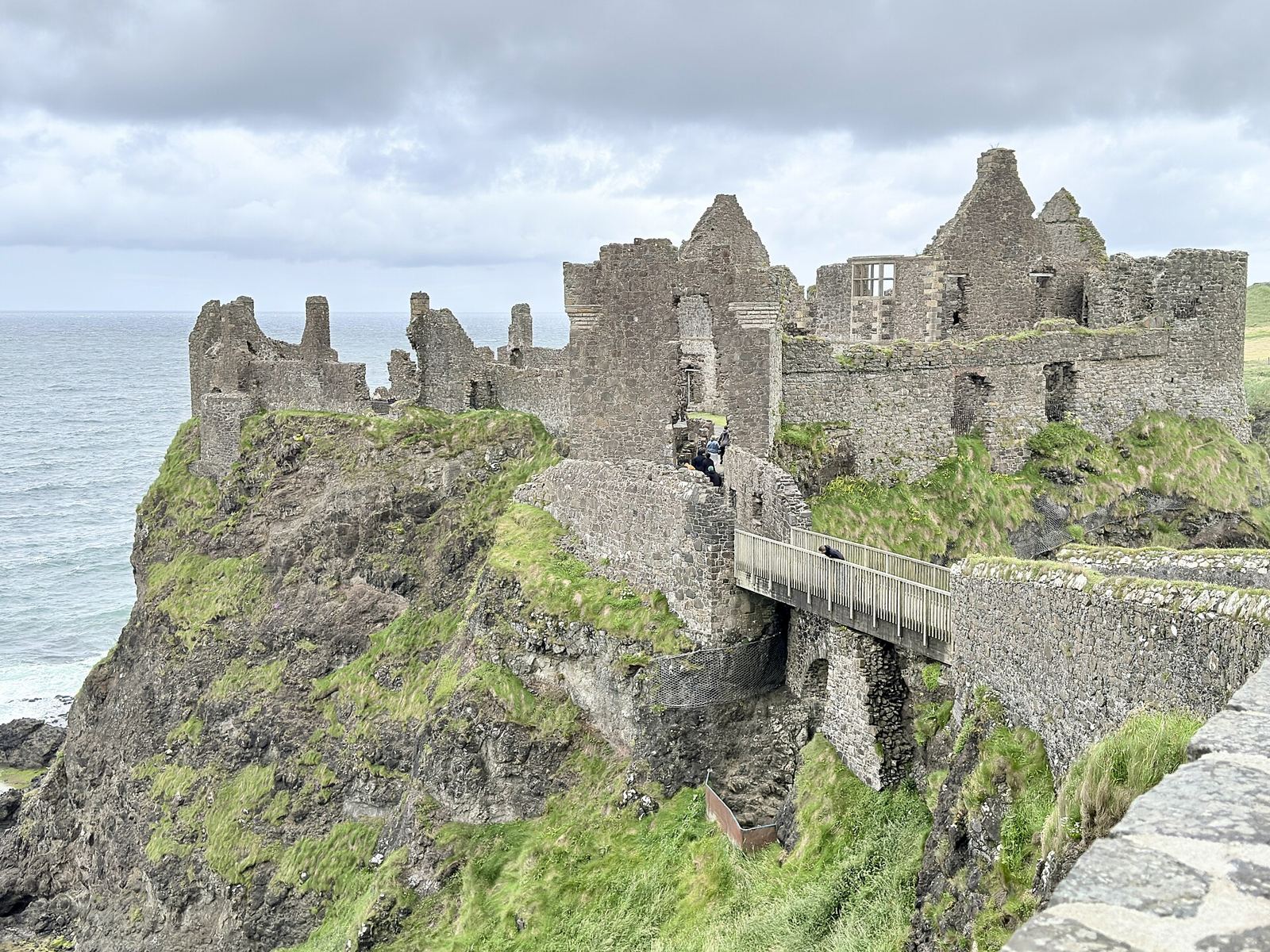
Dunluce Castle is a ruined castle on a basalt sea-stack on the Antrim coast. Richard Óg de Burgh, 2nd Earl of Ulster, built it in the 13th century, and Clan MacDonnell later made it their seat. Part of the kitchen reputedly fell into the sea during a storm in 1639, taking servants with it. Many people link the site to Cair Paravel, the castle in C.S. Lewis's Narnia.
The castle is open to the public and managed by the Historic Environment Division. You reach it by a bridge from the mainland, which adds to the sense of arrival. The ruins show layers of medieval, 16th- and 17th-century construction. A visitor centre tells the story of the castle and Clan MacDonnell, and the clifftop position gives views across the Antrim coast and the North Atlantic.
The full guide: history, what survives and the nearest castle hotel
Antrim Norman keepCarrickfergus Castle
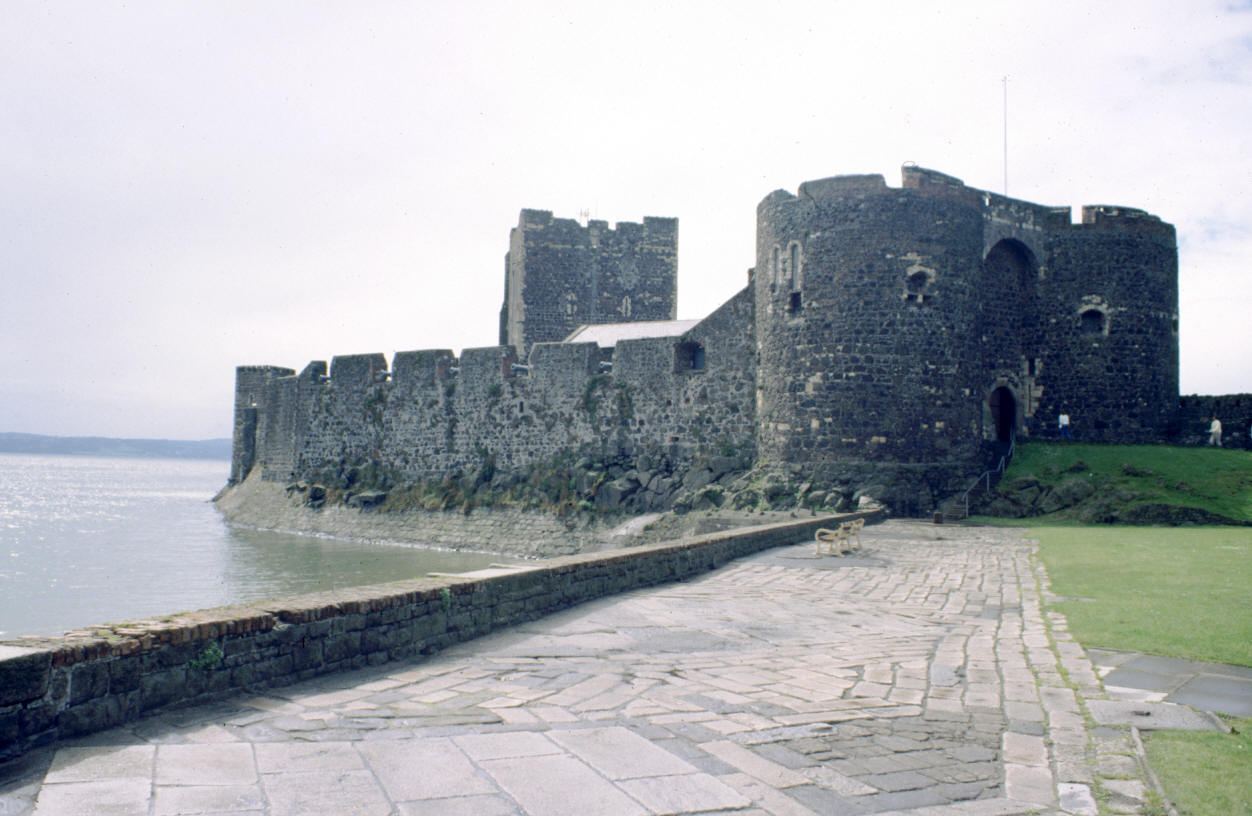
John de Courcy built Carrickfergus Castle in 1177 as his headquarters after conquering eastern Ulster. Few medieval structures in Ireland survive as well, and three-quarters of its perimeter is surrounded by water on Belfast Lough. Scottish, Irish, English and French forces besieged it in turn, and it remained in military use until 1928.
The castle is open to the public and managed by the Department for Communities. You can explore the restored banqueting hall and medieval exhibits, walk the perimeter walls, and examine the Romanesque chapel chamber with its double window surround. The gatehouse has an original portcullis, and the east tower has crossbow loops. Views from the walls sweep across Belfast Lough toward Belfast.
The full guide: history, what survives and the nearest castle hotel
Donegal parkland mansionGlenveagh Castle
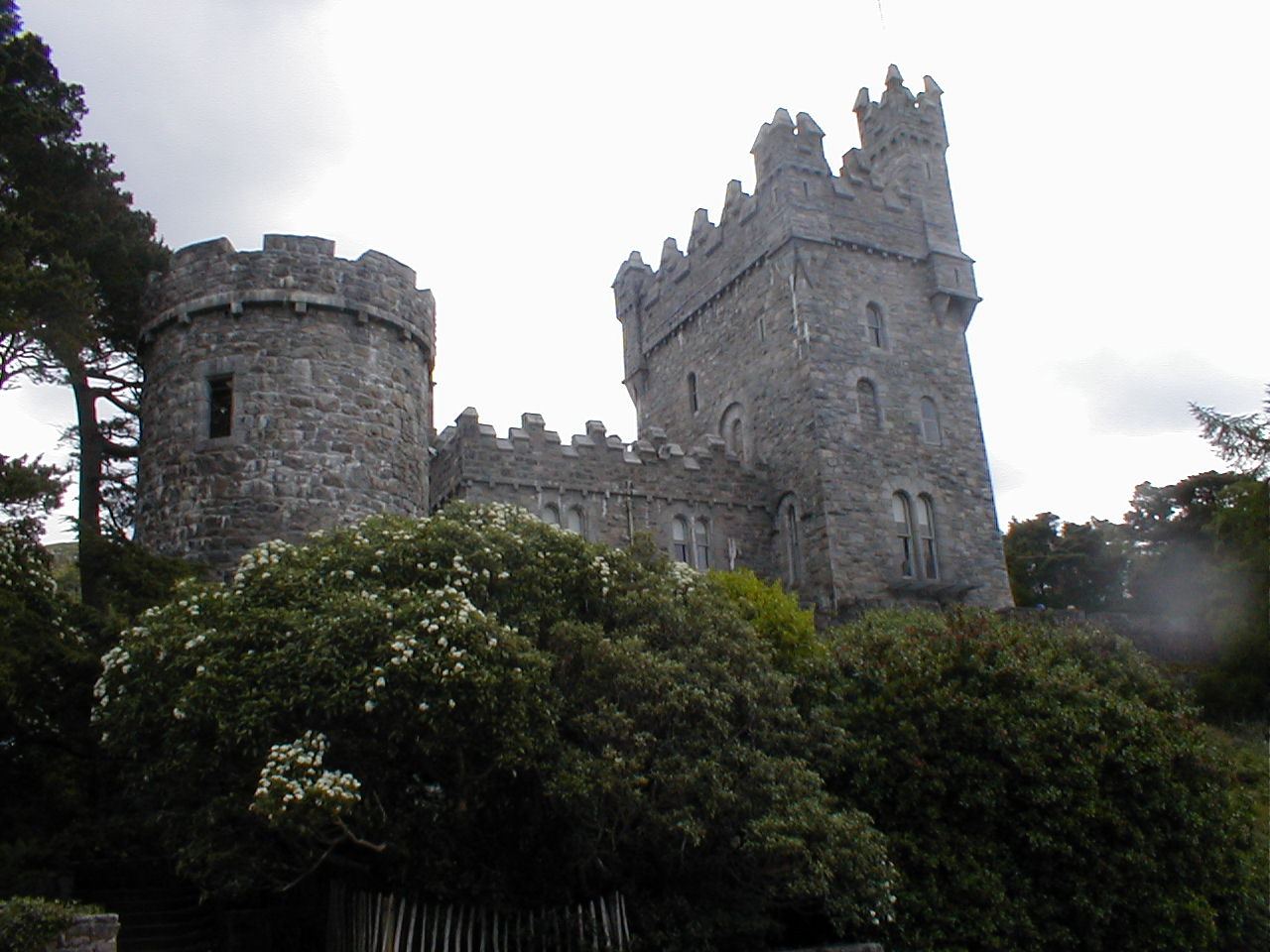
Captain John George Adair, a land speculator, raised Glenveagh Castle between 1867 and 1873, and he is notorious for the Derryveagh Evictions of 1861. John Townsend Trench designed it in the style of an early Irish tower house. The Philadelphia art collector Henry Plumer McIlhenny later owned the castle and left it and its gardens to the Irish state in the 1970s. Today it forms the centrepiece of Glenveagh National Park.
The castle is open to the public and managed by the National Parks and Wildlife Service. Guided tours take you through the four-storey keep with its ornate rooms and period furnishings, and the formal gardens surrounding the castle are open to explore. Trails run through the national park landscape, and the park has a visitor centre and shuttle services to the castle. The history of the building and the evictions is presented in interpretive displays.
The full guide: history, what survives and the nearest castle hotel
Before you bookA few practical notes
- Crom Castle requires a minimum two-night stay and holds a five-star accreditation from the Northern Ireland Tourist Board.
- Narrow Water Castle has a five-star NI tourist board grading for its self-catering apartments, one of which is in the 1680s Mount Hall core.
- Castle Leslie Estate is a 4-star property, and the Leslie family still lives on the 1,000-acre estate.
- Lough Eske Castle reopened as a hotel in 2007 after a full restoration of the 1861 structure, which fire gutted in 1939.