Getting out of the capital by public transport is easy, cheap and often quicker than you expect — here is where the buses and trains actually go.
The Coastal Line South: Howth, Dalkey and Bray
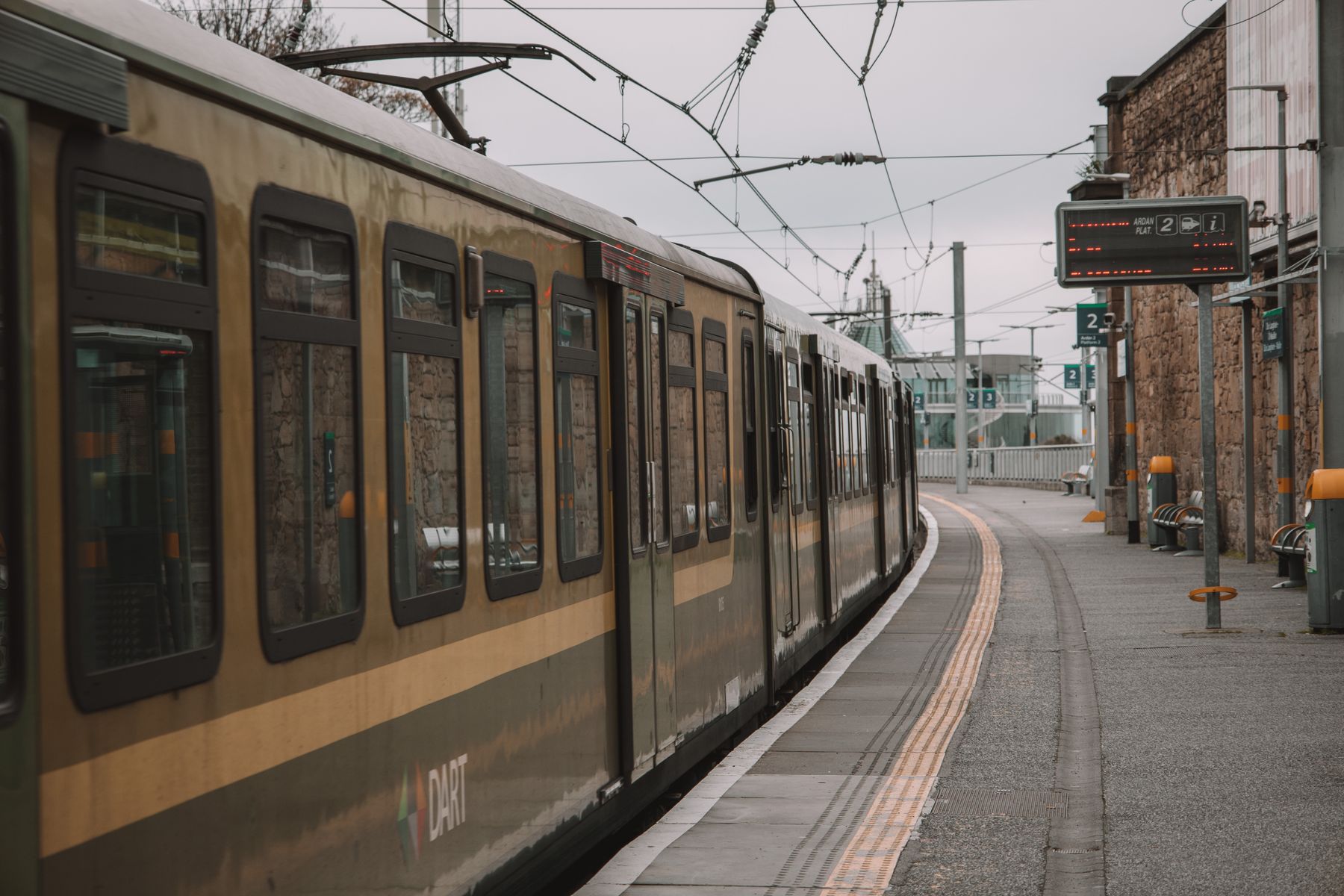
The DART commuter train is the simplest day trip in Ireland: no booking, just tap on with a Leap card and ride. Howth, at the northern end, is 25 minutes from Connolly and rewards you with the cliff path loop above Balscadden Bay and a working pier where trawlers still land crab and mackerel. Dalkey, further south, has a castle, a heritage centre and a hilly main street of independent cafés. Bray, at the end of the line, offers the mile-long promenade under Bray Head; the cliff walk to Greystones takes about 90 minutes and you can return by train from the far side.
Fares are modest by European standards and the DART runs roughly every 10 to 20 minutes in daylight. Facilities are limited: Howth's cliff path is uneven in wet weather, Dalkey's castle keeps short opening hours outside summer, and Bray's promenade is exposed when the wind comes off the Irish Sea. Best months are May, June and September. I would book a hotel near Connolly or Tara Street if you plan two or more coastal days, since early trains let you beat the afternoon crowds.
Boyne Valley by Bus: Newgrange and Trim
Bus Éireann's 100 service runs from Dublin's Busáras to Drogheda in about an hour, and local links continue to the Brú na Bóinne visitor centre, the gateway to the Newgrange and Knowth passage tombs. Entry to the chambers is by guided tour only and numbers are capped, so reserve online well ahead in July and August. Knowth, often overlooked, has the larger collection of megalithic art and typically quieter tours. If you are driving, Trim Castle, 14 kilometres inland, is the largest Anglo-Norman castle in Ireland and was used in the filming of Braveheart.
Note that the visitor centre shuttle bus, not the intercity coach, takes you the last stretch to the monuments, and it runs on a timed-ticket basis. Drogheda itself is worth two hours: the viaduct, St Peter's Church and the riverside walk. Buses back to Dublin run hourly into the evening. I would combine Newgrange with a Drogheda overnight rather than a rushed return, and book early — this is the most popular day trip from the capital on the east coast.
The West by Rail: Galway and Kilkenny
Intercity trains are the underrated option. Irish Rail runs from Heuston to Galway in about 2 hours 20 minutes, and to Kilkenny in around 1 hour 40 minutes on the Waterford line. Galway rewards a long day: the Latin Quarter's lanes, the Claddagh quay and the Long Walk along the Corrib. Kilkenny packs a medieval mile into a compact centre — the castle, St Canice's Cathedral and its round tower, and the Butler Gallery. Both stations sit within a 10-minute walk of the main streets, so no onward transport is needed.
Book intercity seats online a few days ahead; walk-up fares are higher and popular Friday and Sunday services sell out. Galway is the better day trip if you want atmosphere and food; Kilkenny is better if you want history and a shorter return. I would take the 07:35 from Heuston to Galway and the evening train back, then stay the night near Heuston rather than rushing for a connection. For Kilkenny, a single day suffices comfortably.
Glendalough and the Wicklow Bus
St Kevin's Bus leaves from St Stephen's Green for Glendalough, in the Wicklow Mountains, taking around 90 minutes to reach the monastic ruins and the two lakes. The round tower, the cathedral ruins and the boardwalk to the Upper Lake make a full half-day. The Spinc loop above the valley is a serious walk of about four hours with steep sections, so treat it as a hiking day rather than a stroll. The visitor centre has the only reliable facilities in the valley.
Service is limited to one or two departures a day, so check the timetable before you commit and plan the return carefully. Spring and early autumn give the clearest light on the lakes; midwinter afternoons close in by half four. If you are staying centrally in Dublin, a hotel near St Stephen's Green puts you at the bus stop without a taxi, and returning in the evening is straightforward since the last coach leaves in the late afternoon rather than at night.
Frequently asked questions
Do I need to book buses and trains in advance?
DART and Dublin commuter services need no reservation; just use a Leap card or contactless. Intercity trains to Galway and Kilkenny are cheaper booked online a few days ahead, and Glendalough's coach has limited daily departures, so check the timetable the day before.
Which day trip is best without a car?
The DART coastal line is the easiest, with frequent trains and no planning. For heritage, Bus Éireann to Drogheda and Newgrange works well but needs a timed tour booking. Glendalough is the most rewarding but also the most timetable-dependent — confirm the return coach first.
Where should I stay in Dublin for early departures?
Near Connolly or Tara Street for DART and northern routes; near Heuston for Galway, Kilkenny and Cork trains; near Busáras for Bus Éireann. Around St Stephen's Green suits the Glendalough coach. Central hotels fill first for summer weekends, so reserve ahead.