From soda bread to seafood chowder, here is what to eat in Ireland, where to find it, and what to skip.
Dublin: The Food Capital
Dublin is the obvious starting point for Irish food. The English Market in Cork is famous, but Dublin's own George's Street Arcade and the stalls around Temple Bar offer a compact introduction. For a proper sit-down meal, head to The Woollen Mills on Ormond Quay for a modern take on Irish classics, or queue at Fish Shop on Benburb Street for expertly battered fish. Expect to pay around €15-€25 for a main course in these casual spots. Avoid the overpriced tourist traps in Temple Bar; instead, walk ten minutes to Exchequer Street or Drury Street, where locals eat.
When it comes to traditional dishes, start with Irish stew (lamb, potatoes, onions) and bacon and cabbage. Cork's version of the latter uses grey bacon, but in Dublin, it's often smoked. For dessert, try a warm apple crumble with custard. If you're visiting in autumn, look out for fresh oysters from Galway, served natural or with a dash of Tabasco. The Dublin Oyster Festival in September is a good bet, but book accommodation early; hotels near St Stephen's Green fill up fast. For a sweet treat, Butler's Chocolate on Grafton Street is a reliable stop for a hot chocolate.
Beyond Dublin: Regional Specialities
Travel west to Galway and you'll find the best seafood chowder in the country. The city's Latin Quarter is packed with pubs serving creamy chowder with brown soda bread. For a more authentic experience, take a 30-minute drive to the fishing village of Kinvara, where Moran's Oyster Cottage has been serving oysters since the 18th century. Expect to pay €12-€18 for a bowl of chowder. In Cork, don't miss the English Market, which has been running since 1788. Stallholders like O'Connell's Fishmongers and On the Pig's Back offer local cheeses and cured meats. A trip to the market is free, but bring cash for samples.
Further afield, Northern Ireland's capital, Belfast, has its own food heritage. The St George's Market on a Saturday morning is a feast of local produce, from Abernethy butter to Yellow Door deli goods. For a unique experience, try a 'Belfast bap' – a soft roll filled with bacon, sausage, egg and potato bread – from any good café. It's a hearty breakfast for under €10. If you're driving the Wild Atlantic Way, stop in Sligo for smoked salmon from the Atlantic Smokehouse, or in Dingle for freshly caught fish at Out of the Blue. Dingle is also famous for its ice cream; Murphy's is a must, even in winter.
Practical Tips for Food Lovers
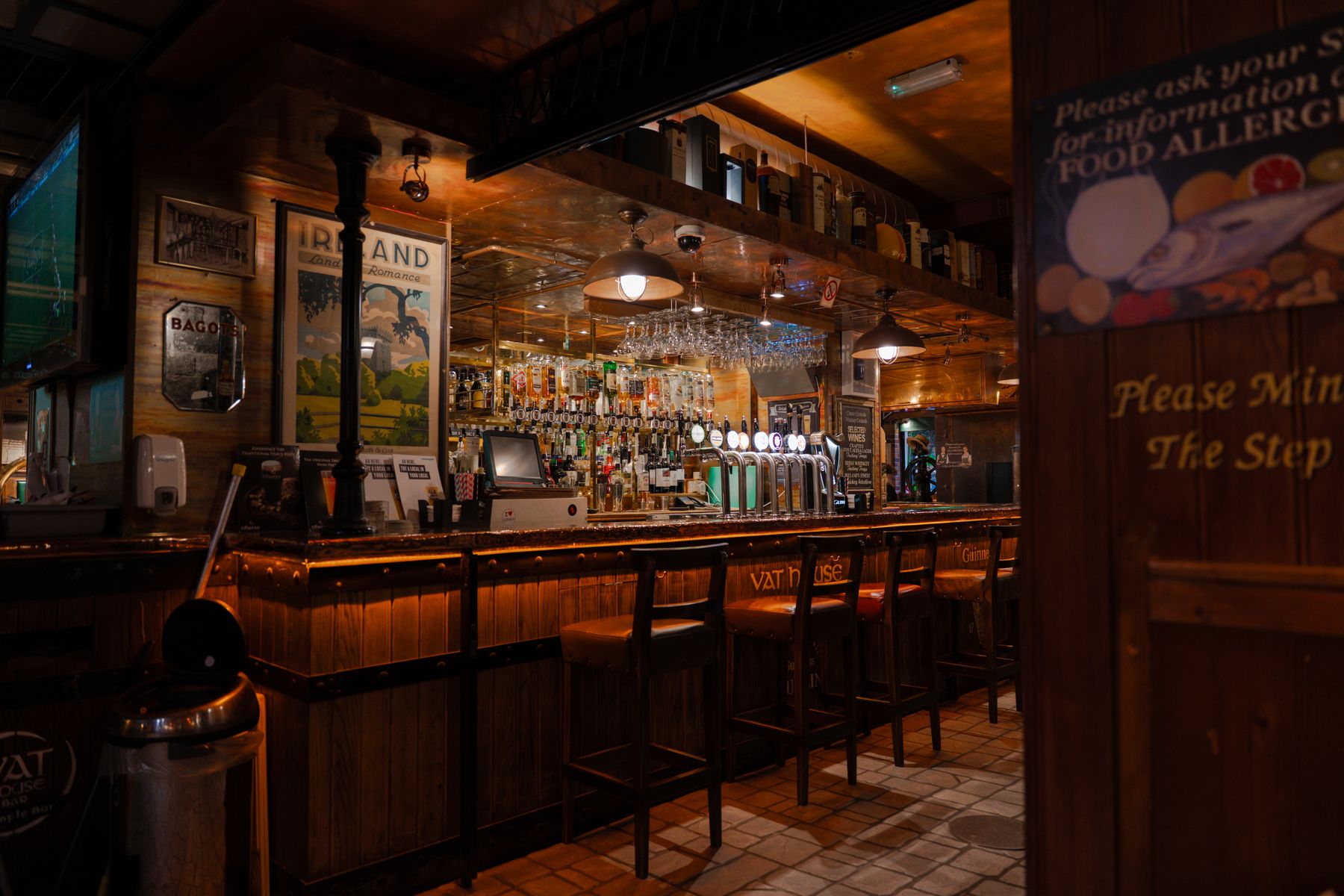
Irish food is best enjoyed with a pint of stout or a glass of whiskey, but if you're driving, remember the strict drink-driving laws. Many pubs now offer excellent non-alcoholic options, including alcohol-free Guinness. When planning your trip, consider the timing: spring (March-May) brings lamb and wild garlic, while autumn (September-November) is prime oyster season. Summer is peak tourist time, so book hotels in advance, especially in popular spots like Killarney and Galway. For a central base, Dublin's hotels around Merrion Square offer easy access to both traditional pubs and fine dining. Budget around €100-€150 per night for a mid-range hotel in the city centre.
Don't overlook the humble potato. Champ (mashed potatoes with scallions) and boxty (potato pancakes) are staples. Try boxty at a traditional pub like The Cobblestone in Smithfield, Dublin. For cheese, look out for Cashel Blue and Gubbeen, available at farmers' markets. The Temple Bar Food Market on Saturdays is a good place to sample. If you're self-catering, Lidl and Aldi often stock local products at reasonable prices. Finally, skip the 'full Irish' breakfast at your hotel if it's an extra €15; instead, find a local café like Gerry's on Montague Street for a better value fry-up.
Frequently asked questions
What is a typical Irish breakfast?
A full Irish breakfast includes bacon, sausages, black and white pudding, eggs, baked beans, and toast or soda bread. It's hearty and often served in B&Bs and cafés. Many hotels offer it as part of the room rate, so check before booking.
Are there vegetarian options in Ireland?
Yes, most restaurants now offer vegetarian dishes. Traditional pubs may have limited options, but cities like Dublin and Galway have dedicated vegetarian and vegan cafés. Look for dishes like vegetarian Irish stew or mushroom-based boxty.
How much should I budget for food in Ireland?
A casual lunch costs €10-€15, while dinner in a mid-range restaurant is €20-€30 for a main course. Pub meals are often cheaper. Street food and markets offer good value. Budget around €40-€50 per day for food if you mix self-catering with eating out.